
Asset Management & Facility Management
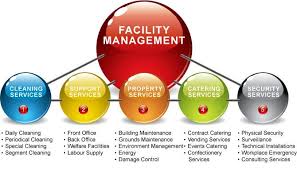
This model focuses on using BIM data to support the operation, maintenance, and management of facilities throughout their lifecycle. It provides accurate digital records of assets, equipment, and building systems, enabling efficient maintenance planning, cost control, and informed decision-making for long-term performance and sustainability.
BIM model for construction sequencing
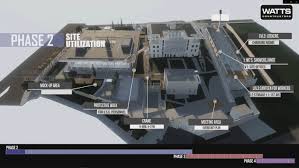
This model utilizes BIM technology to plan and visualize the step-by-step construction process. It helps in scheduling, resource management, and coordination by linking the 3D model with time (4D simulation). This approach enhances project efficiency, minimizes delays, and ensures a clear understanding of construction activities before execution.
Clash Reports
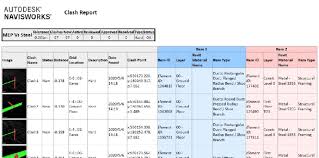
This model focuses on generating detailed clash reports from the coordinated BIM model to identify and document conflicts between different disciplines such as structural, architectural, and MEP systems. These reports help teams resolve issues early in the design phase, improving coordination, reducing rework, and ensuring a smoother construction process.
Federated BIM model Navisworks
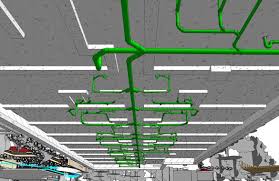
This model involves combining multiple discipline-specific BIM models into a single federated model using Autodesk Navisworks. It enables comprehensive project visualization, coordination, and clash detection, ensuring all architectural, structural, and MEP elements work together seamlessly for accurate and efficient project delivery.
Drawing Dynamic Link from BIM models
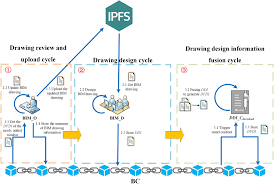
This model focuses on creating dynamic and intelligent links between BIM models and project drawings, ensuring that any design updates are automatically reflected across all documentation. It enhances accuracy, reduces manual errors, and streamlines coordination throughout the design and construction process.
Detailed Design Documentation
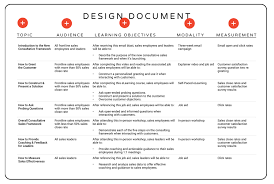
This model involves the preparation of comprehensive design drawings, specifications, and technical reports — including plans, sections, and schedules — that guide construction and implementation. It ensures accuracy, clarity, and compliance with project standards, enabling efficient coordination among disciplines and successful project delivery.
Clash Detection and Resolution
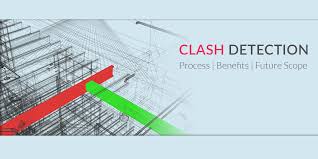
This model focuses on identifying and resolving design conflicts between different engineering systems within a project. Using advanced BIM tools, it detects clashes in structural, architectural, and MEP components before construction begins, ensuring improved accuracy, reduced rework, and smoother project execution.
BIM and CDE Coordination and Collaboration
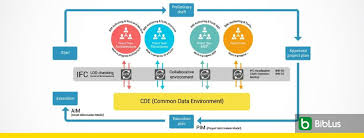
This model emphasizes the use of Building Information Modeling (BIM) and a Common Data Environment (CDE) to enhance project coordination, data management, and collaboration among all stakeholders. It ensures seamless information sharing, reduces design conflicts, improves efficiency, and supports accurate decision-making throughout the project lifecycle.
Urban Street and Utility Design Corridor
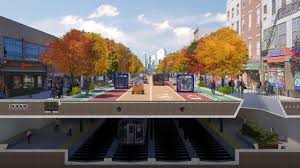
This model focuses on the integrated planning and design of urban streets along with underlying utility networks. It includes roadway geometry, pedestrian pathways, lighting, landscaping, and utility corridors such as water, wastewater, storm, and electrical systems. The goal is to create safe, efficient, and aesthetically pleasing urban environments that support modern city infrastructure.
Dry Utilities
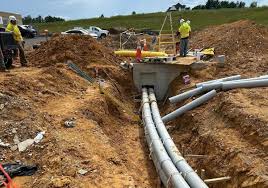
This model covers the planning and design of essential utility networks such as electrical, telecommunications, and gas systems. It ensures reliable power supply, communication connectivity, and service efficiency, supporting modern infrastructure and urban development needs.